Heaps
I have previously worked on the assumption that a painting can best convey feeling by providing an illusionary space to be imaginatively entered into by the viewer. The heaps do not have this negotiable space and do not therefore, I think, translate in terms of imminent feeling. Their spatiality can be looked into but not entered, corresponding to a detached and reflective self-consciousness rather than any spontaneous immediacy of affect.
The heaps themselves have optical weight and volume, permitting a bodily identification that is often missing in purely abstract painting. The horizon acts independently as a timeline, mapping rise and fall, growth and decay while the heavy blackness above suggests the dual mysteries of our own finitude and the apparent infinitude of space.
The strange optical behaviour of the majority these paintings when seen in the flesh - slight movements of the viewer's head result in the colours freeing themselves and floating backwards and forwards along the canvas - are a potent reminder that the world we perceive is not necessarily the world we think to know
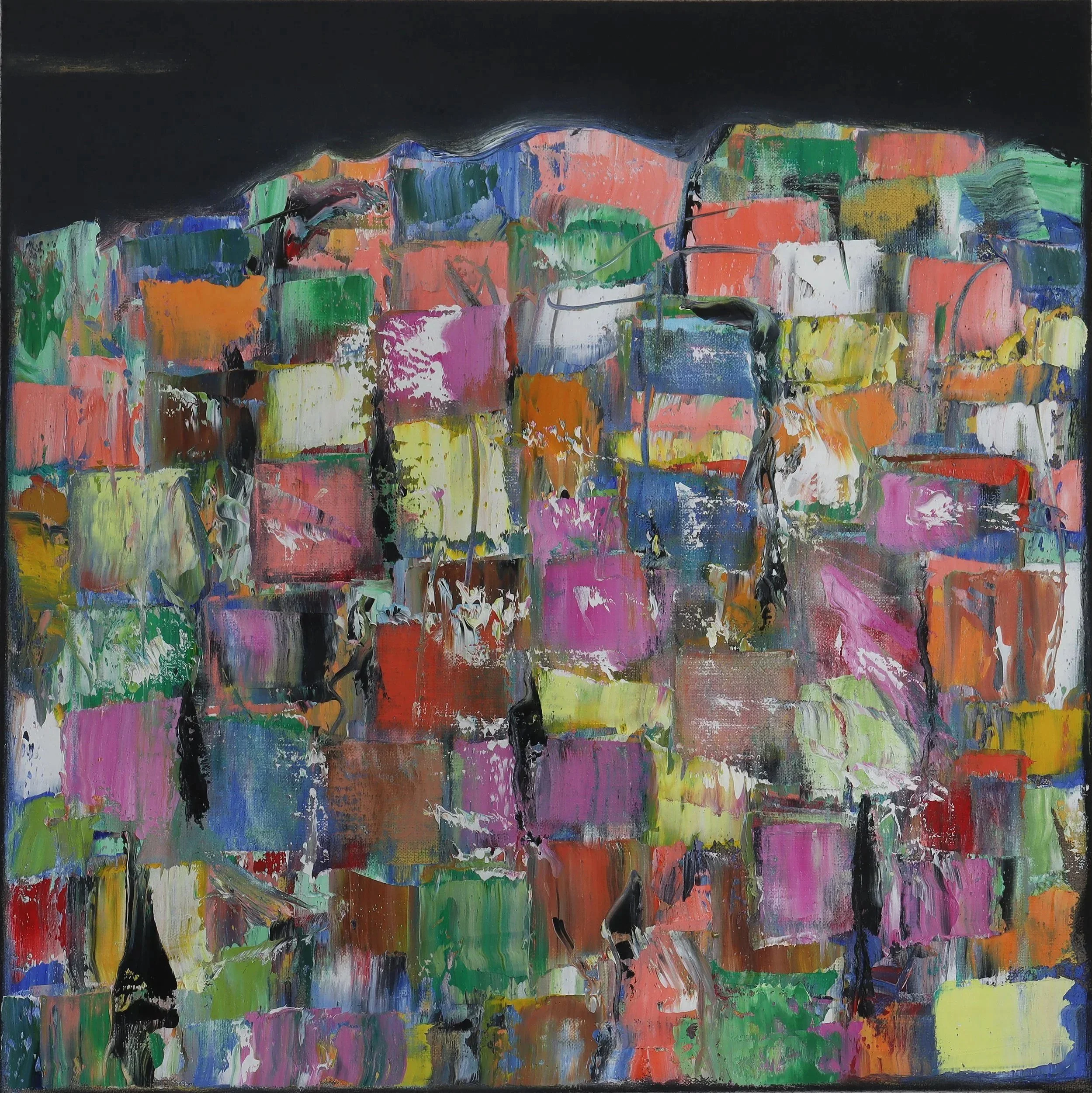
Heap 26 (mai26h)
60 x 60 cm; Öl auf Leinwand
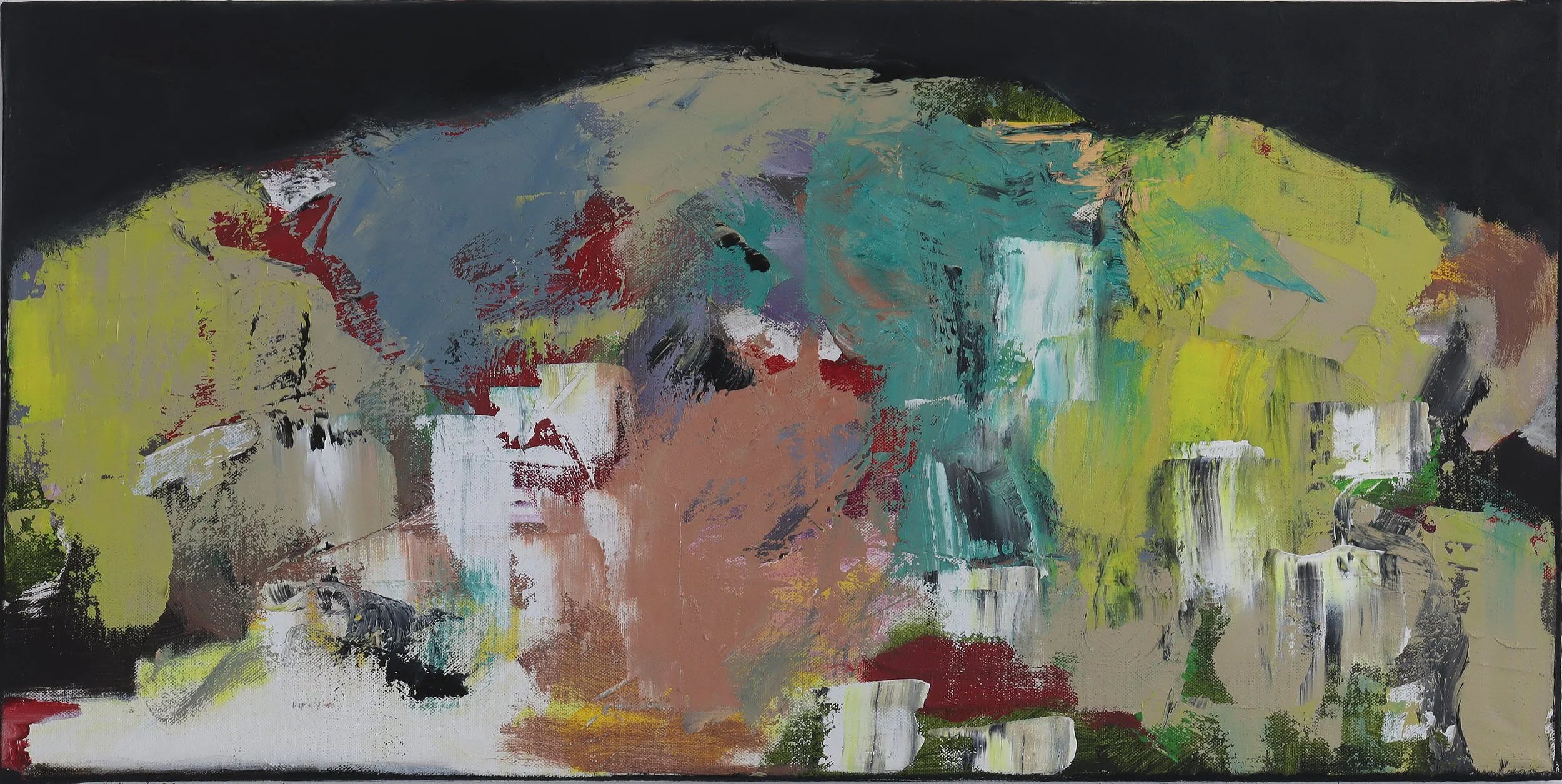
Heap 52 (august26d)
40 x 80 cm; Öl auf Leinwand
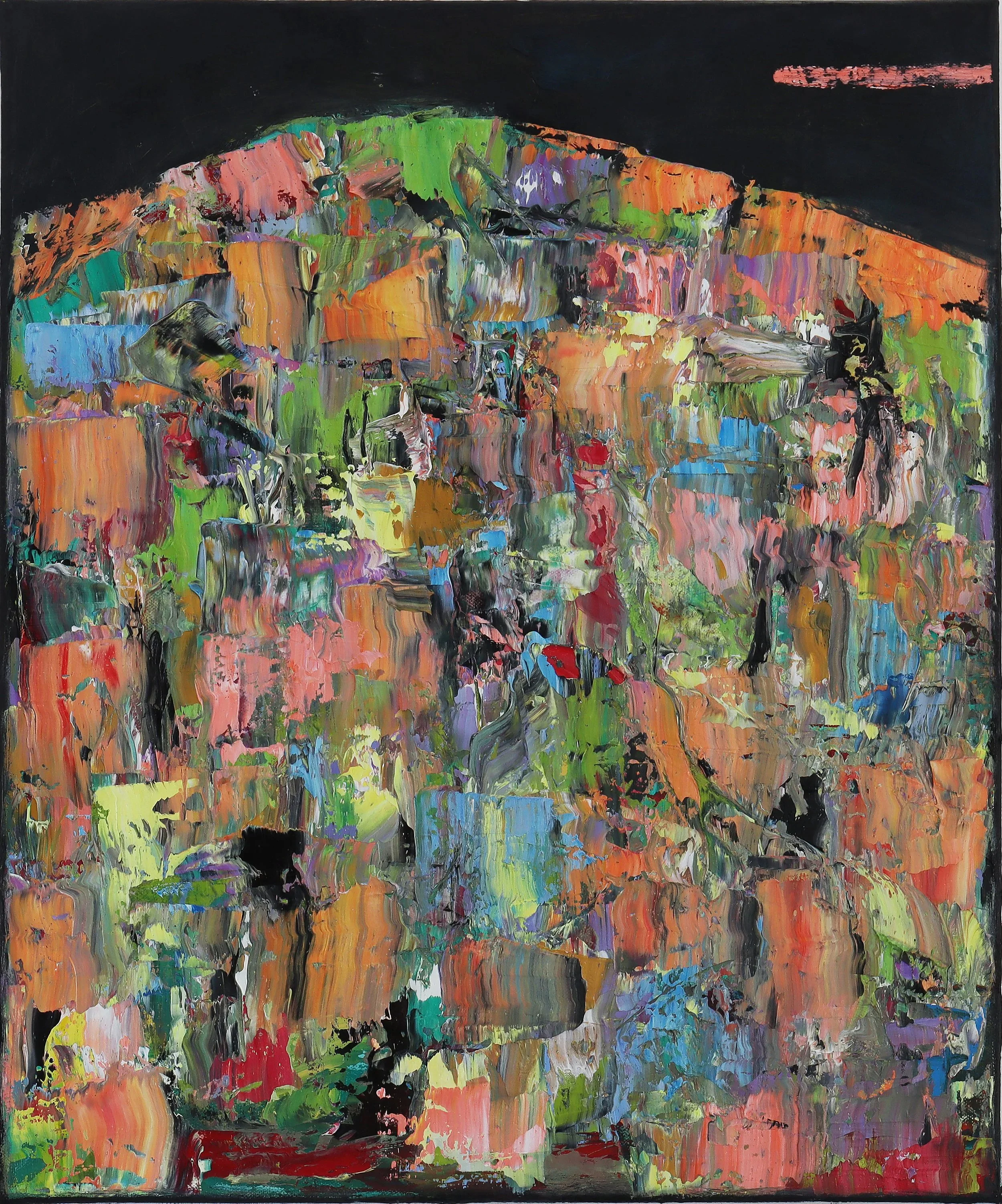
Heap 29 (mai26l)
60 x 50 cm; Öl auf Leinwand
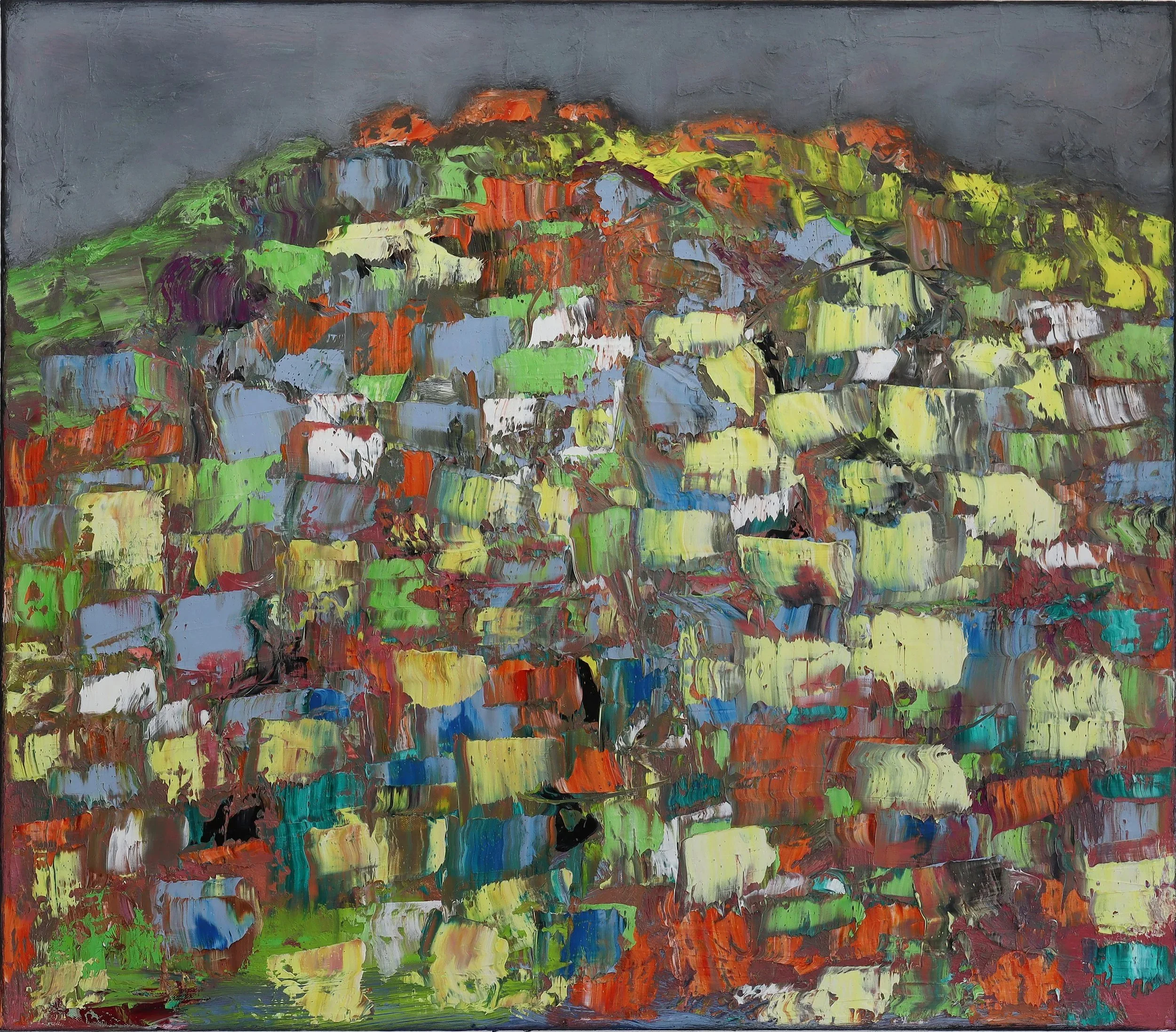
Heap 11 (april26c)
70 x 80 cm; Öl auf Leinwand
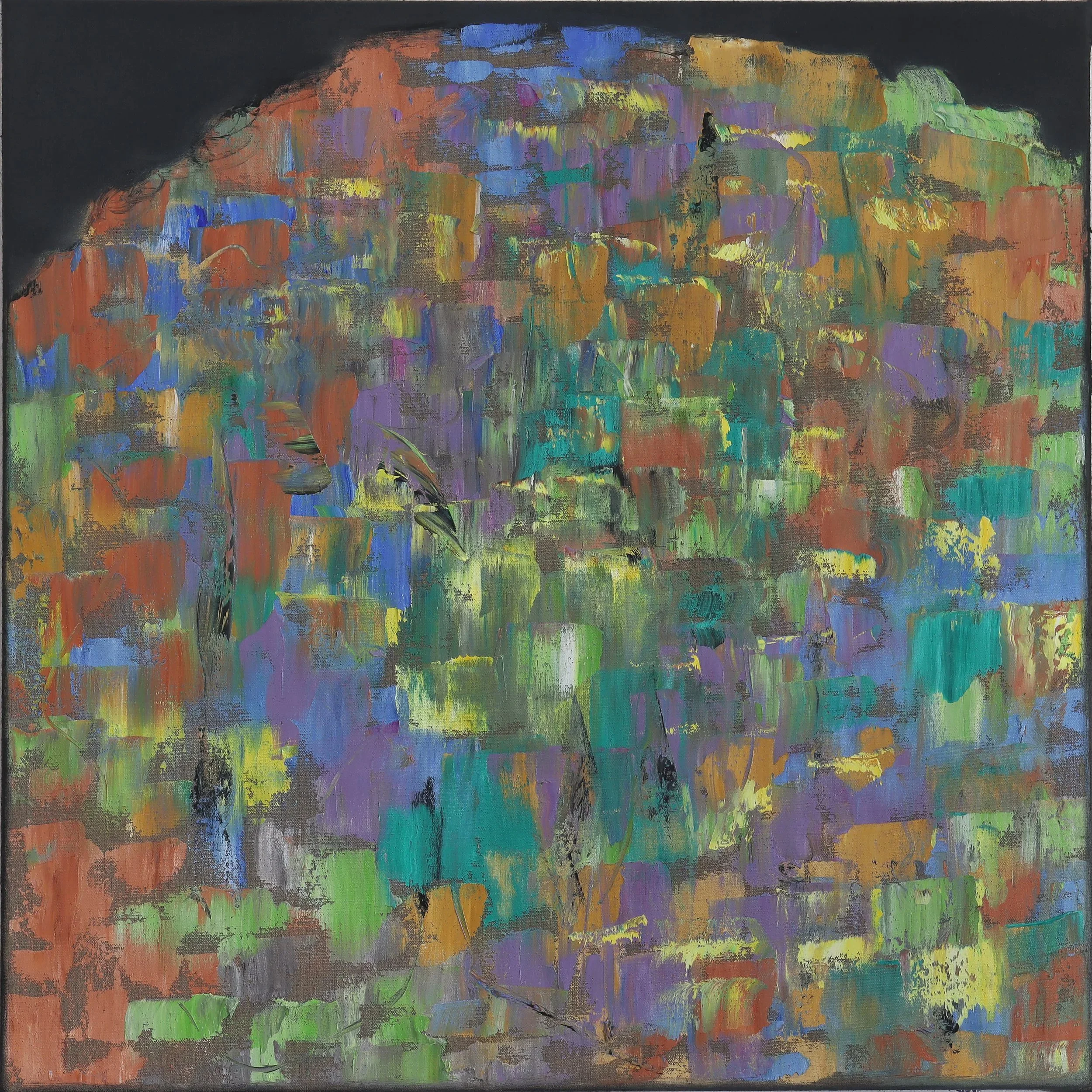
Heap 36 (juni26f)
80 x 80 cm; Öl auf Leinwand
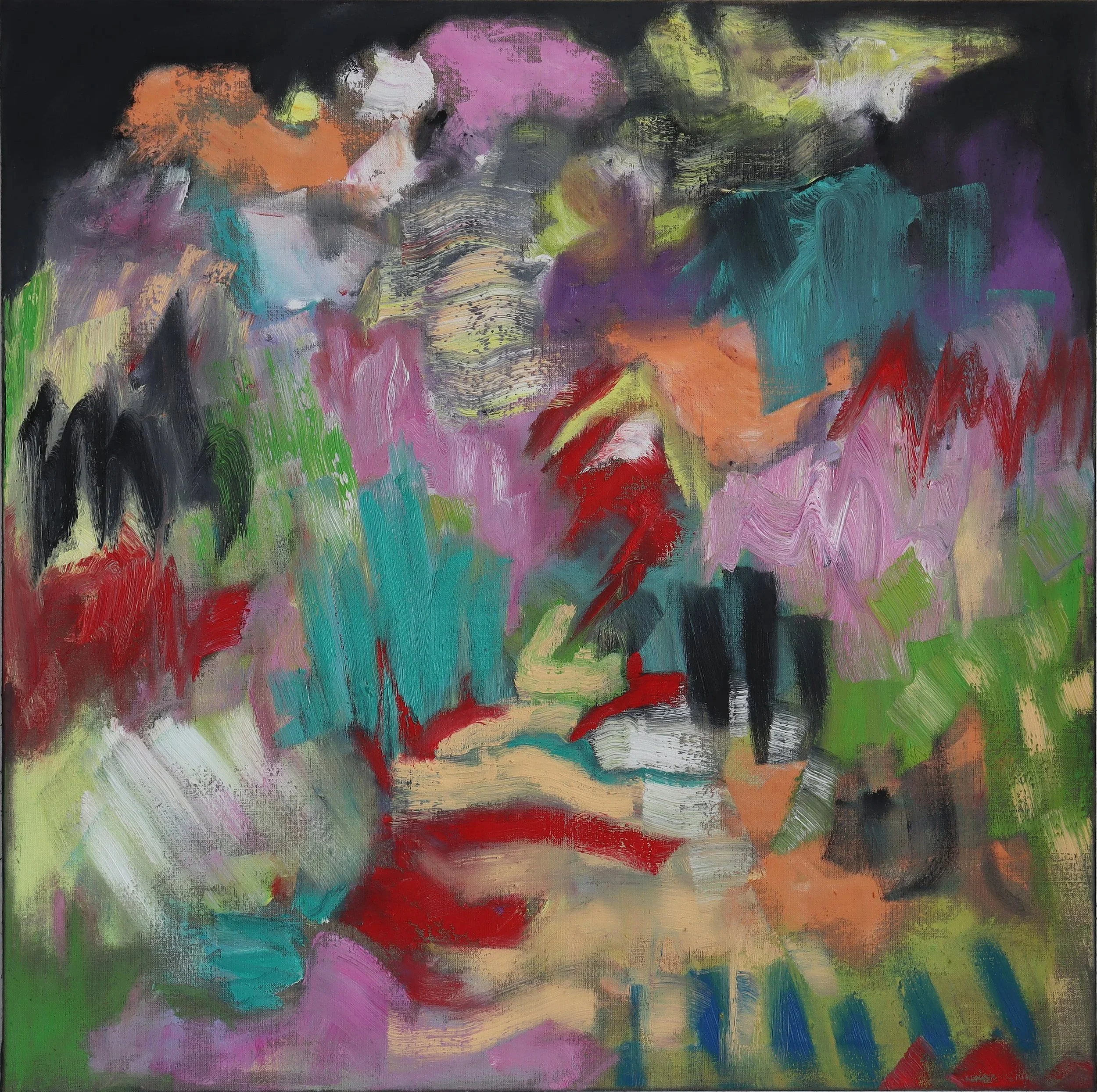
Heap 3 (januar26e)
80 x 80 cm; Öl auf Leinwand
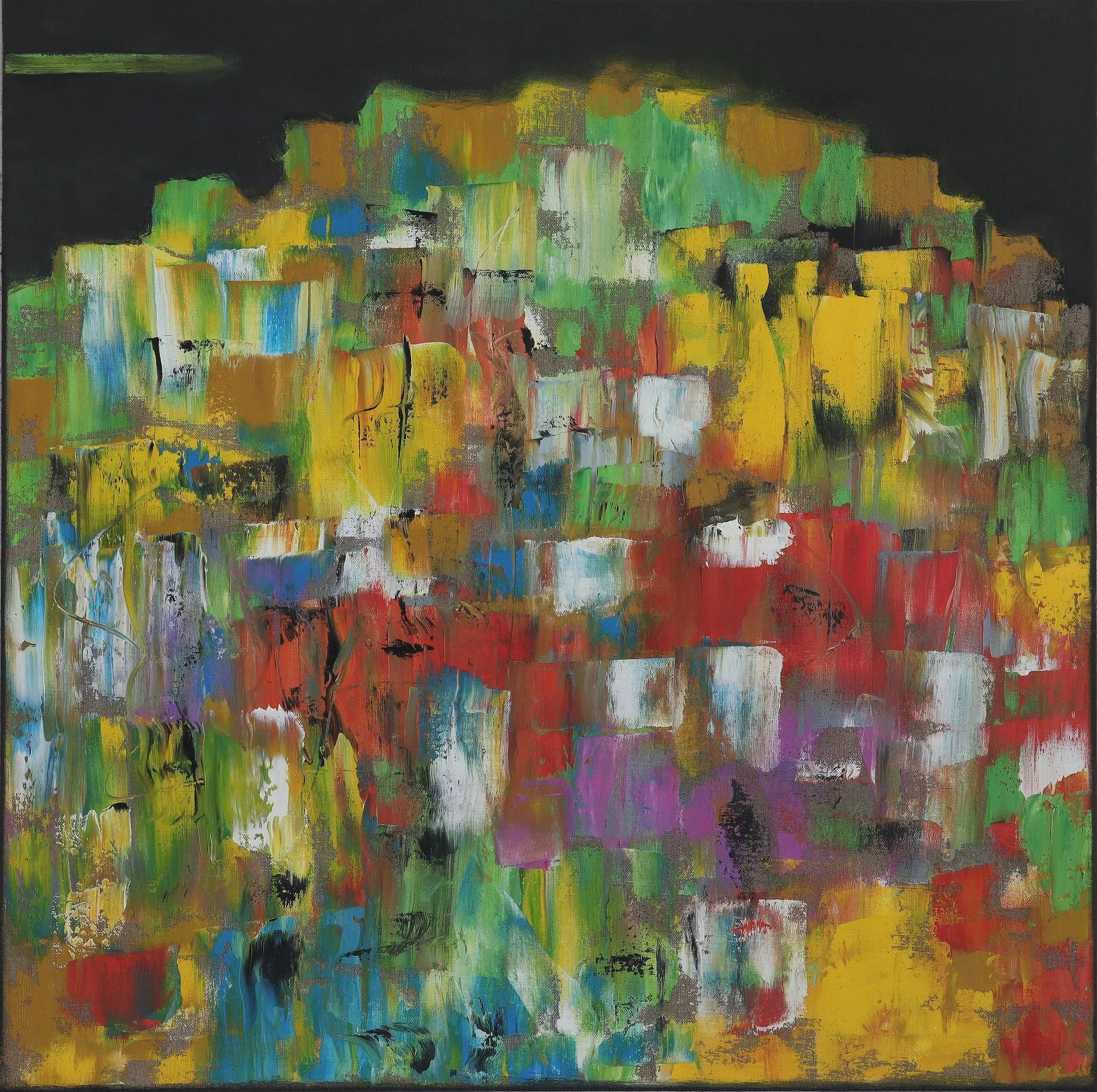
Heap 22 (mai26b)
80 x 80 cm; Öl auf Leinwand
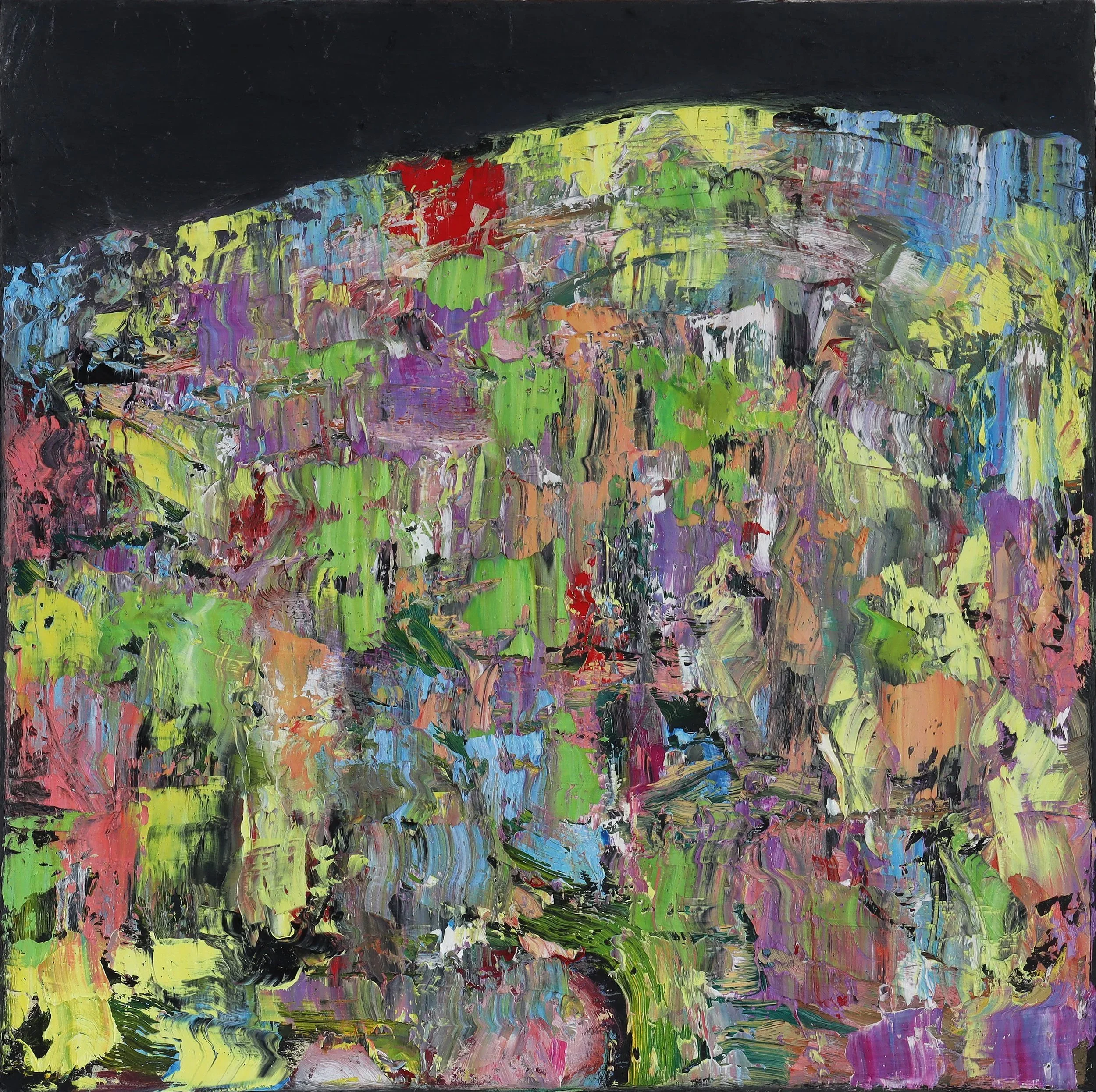
Heap 42 (juni26m)
60 x 60 cm; Öl auf Leinwand
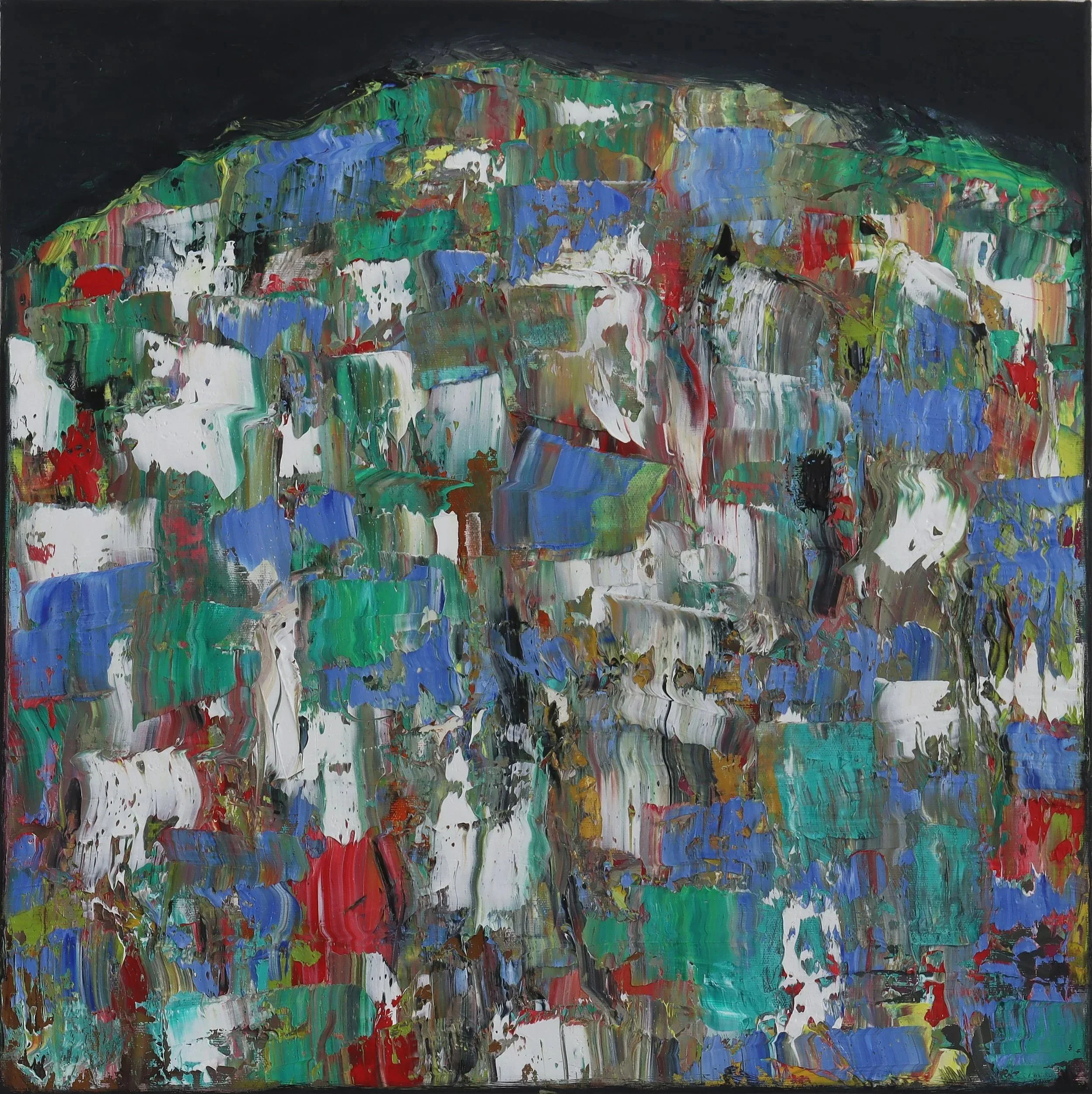
Heap 28 (mai26k)
60 x 60 cm; Öl auf Leinwand
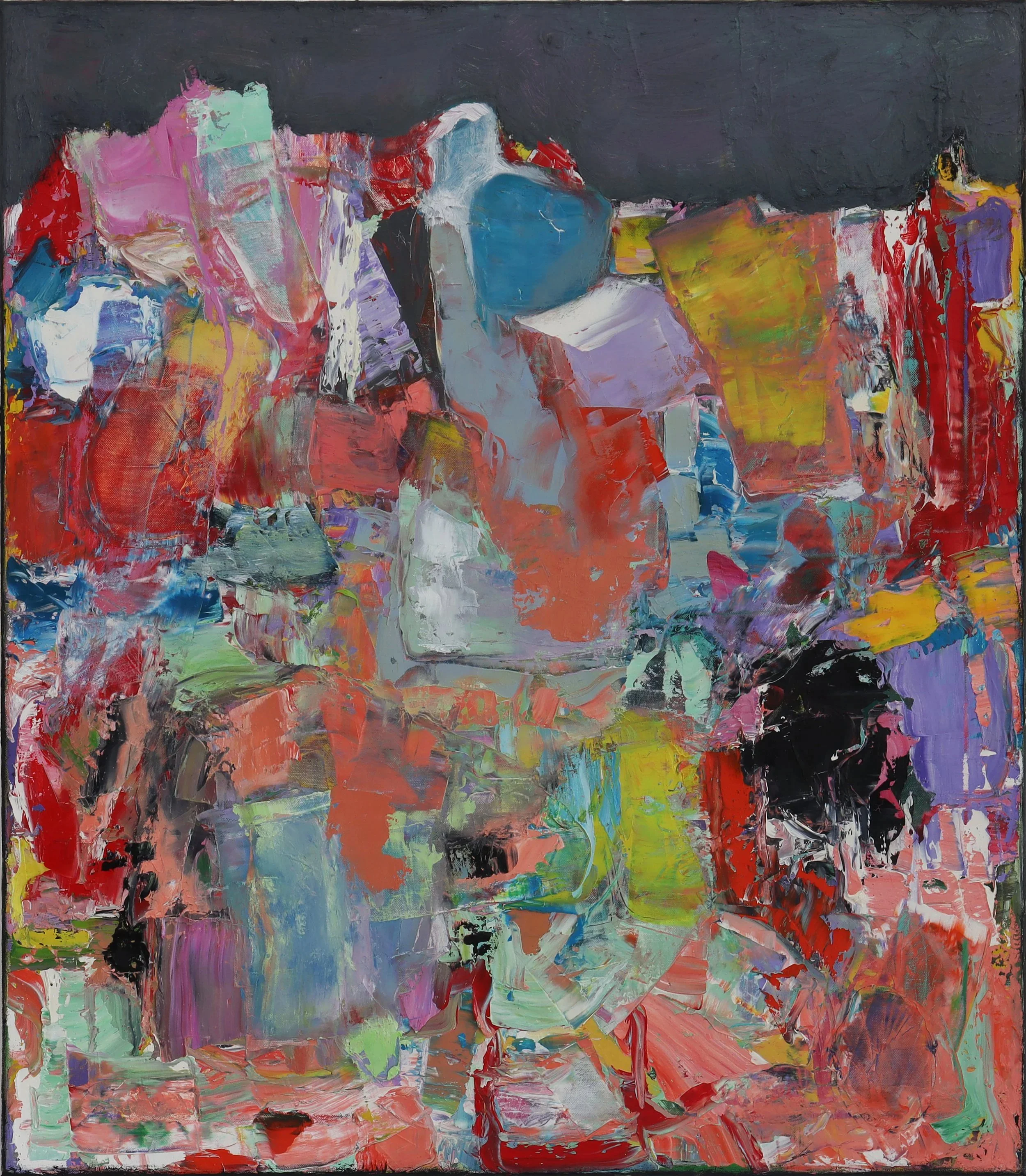
Heap 12 (april26e)
80 x 70 cm; Öl auf Leinwand
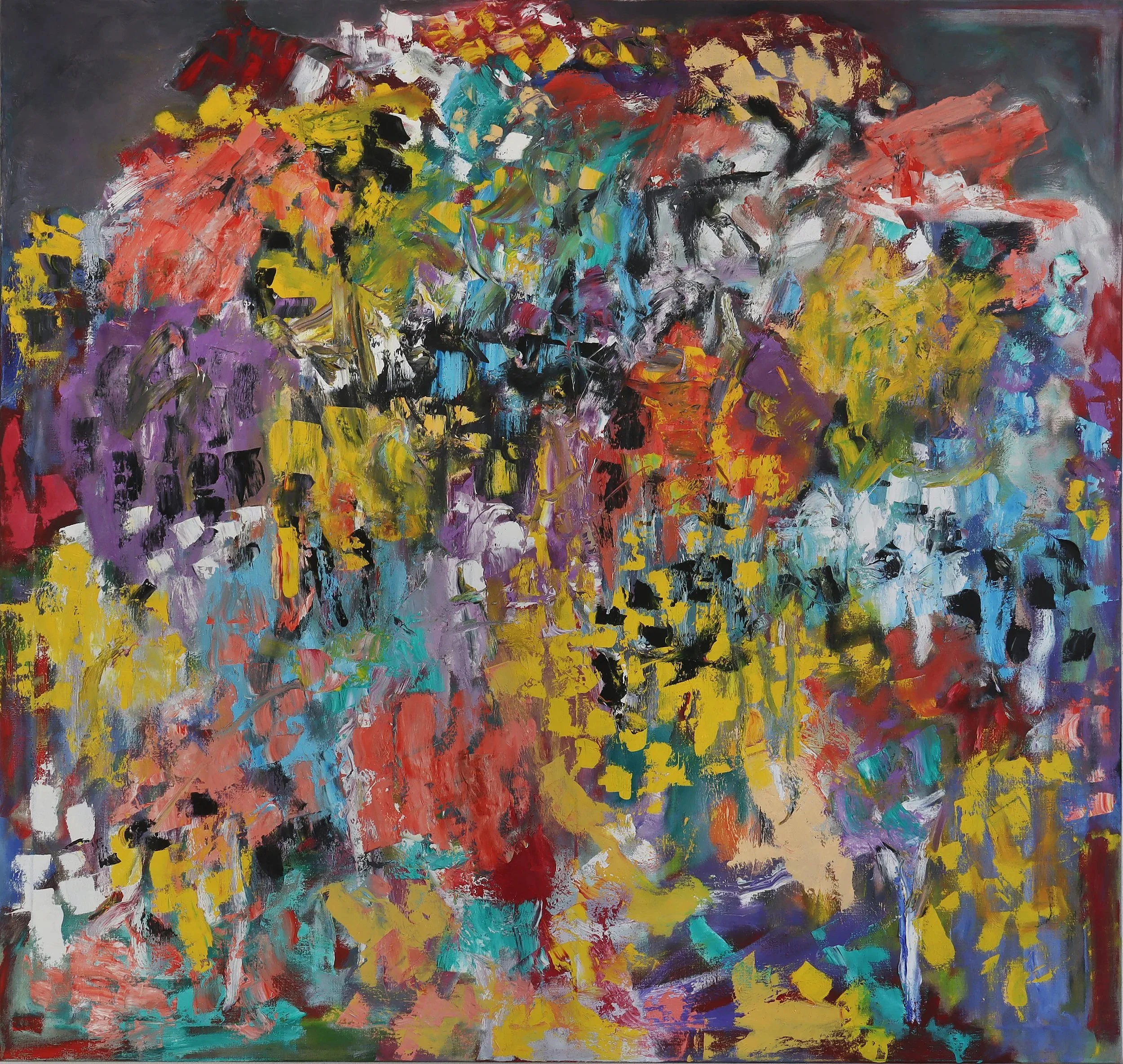
Heap 1 (dezember25e)
180 x 190 cm; Öl auf Leinwand
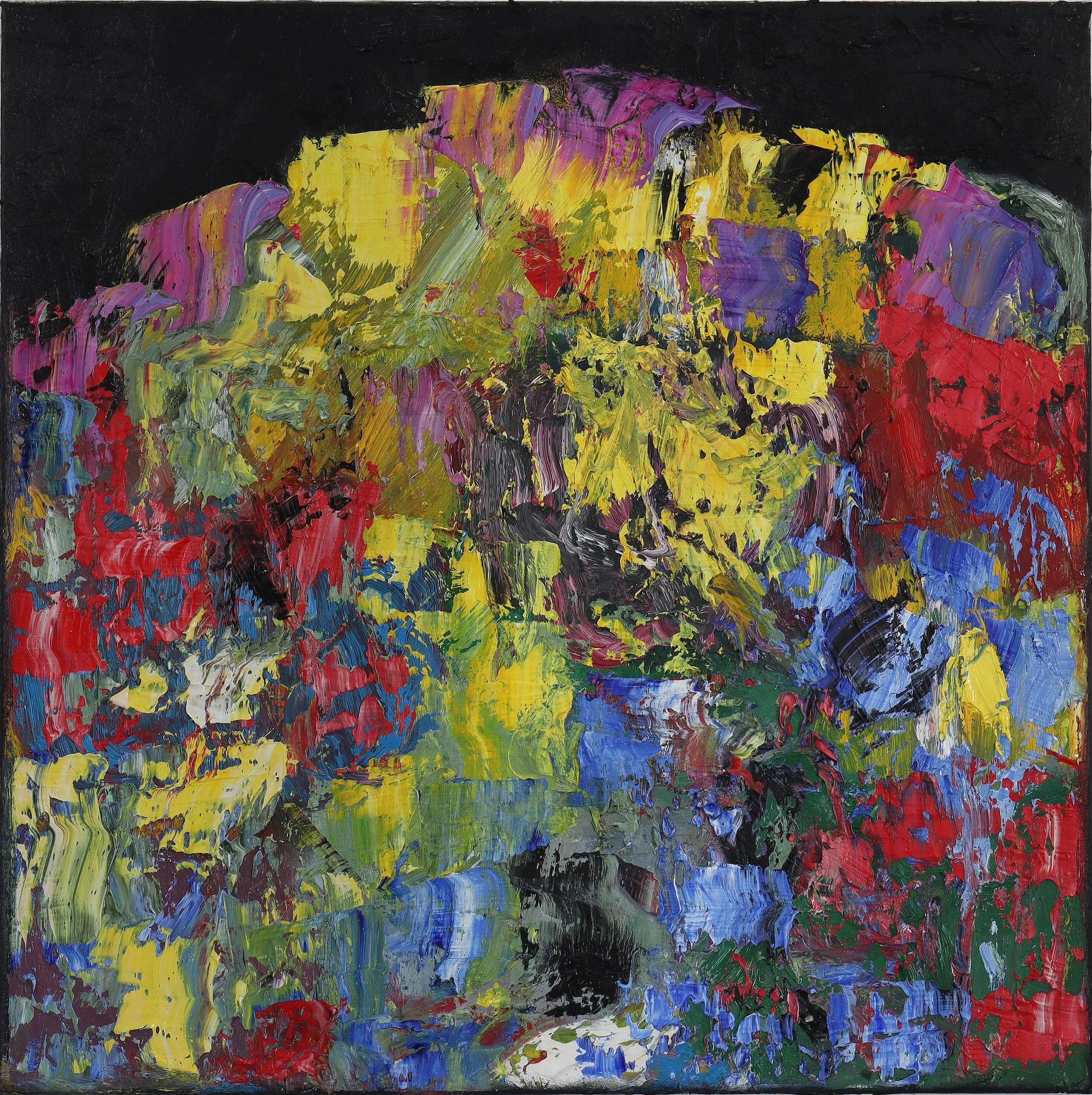
Heap 47 (juni26r)
60 x 60 cm; Öl auf Leinwand
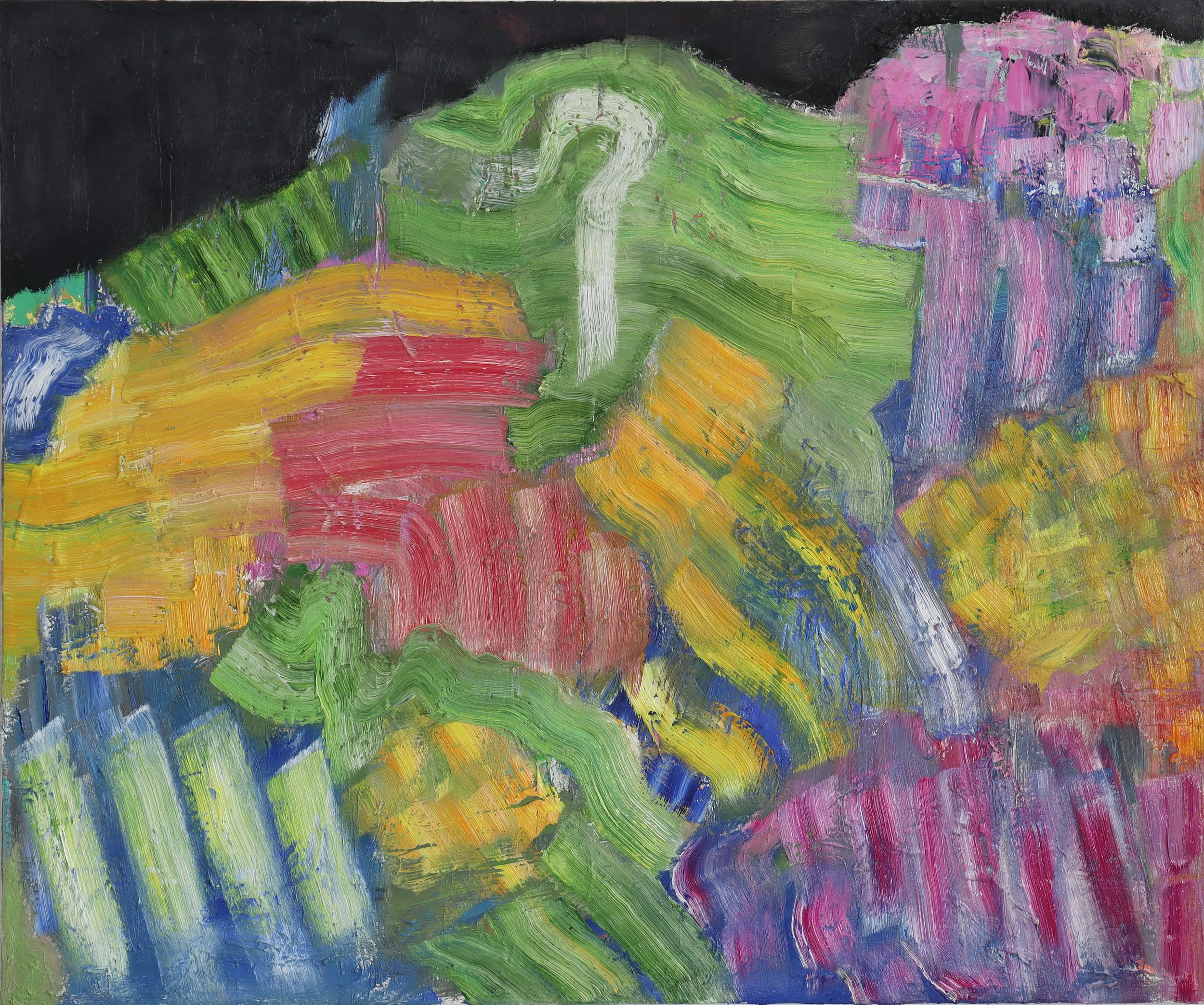
Heap 20 (april26q)
100 x 120 cm; Öl auf Leinwand
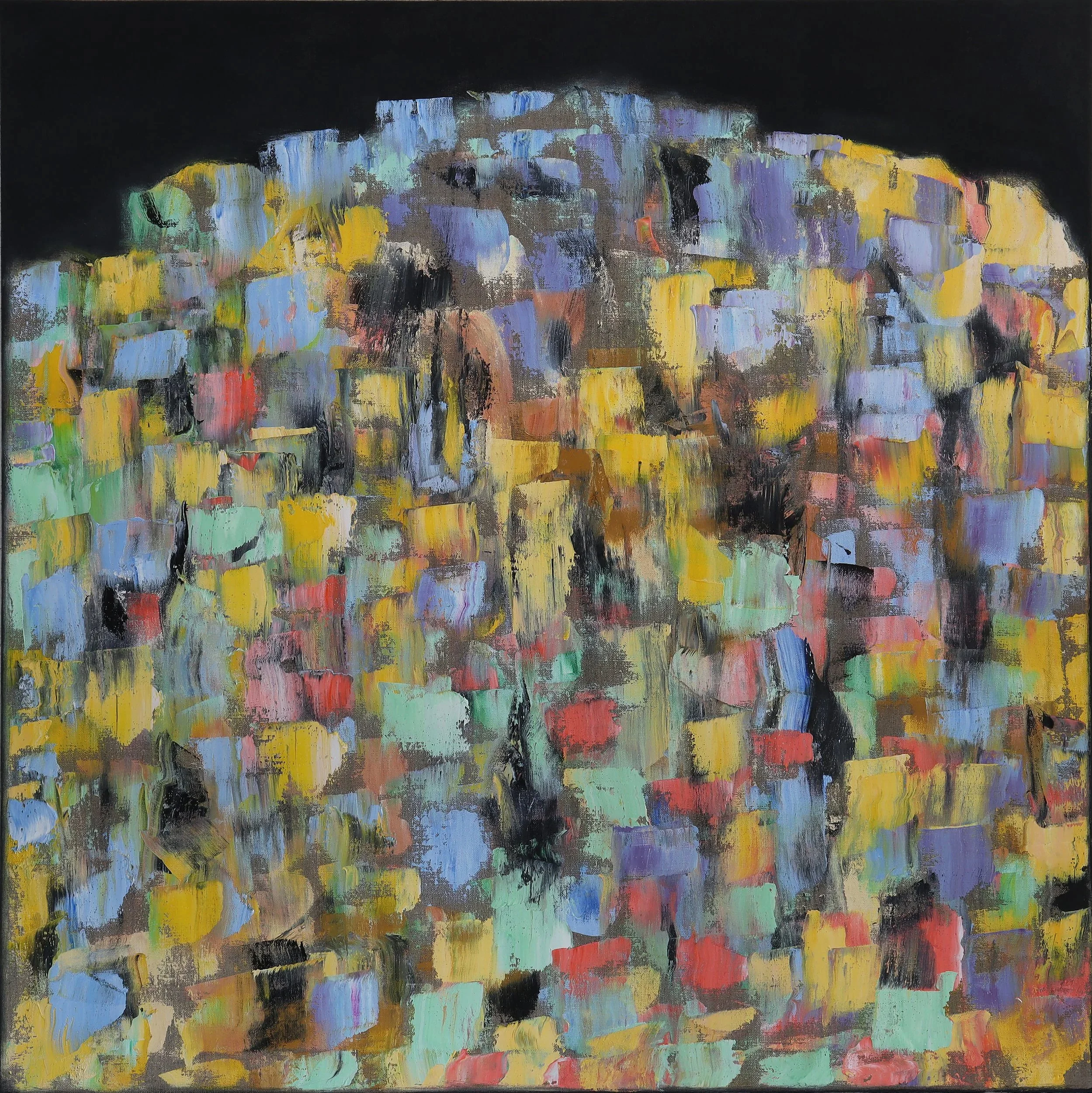
Heap 49 (juli26m)
80 x 80 cm; Öl auf Leinwand
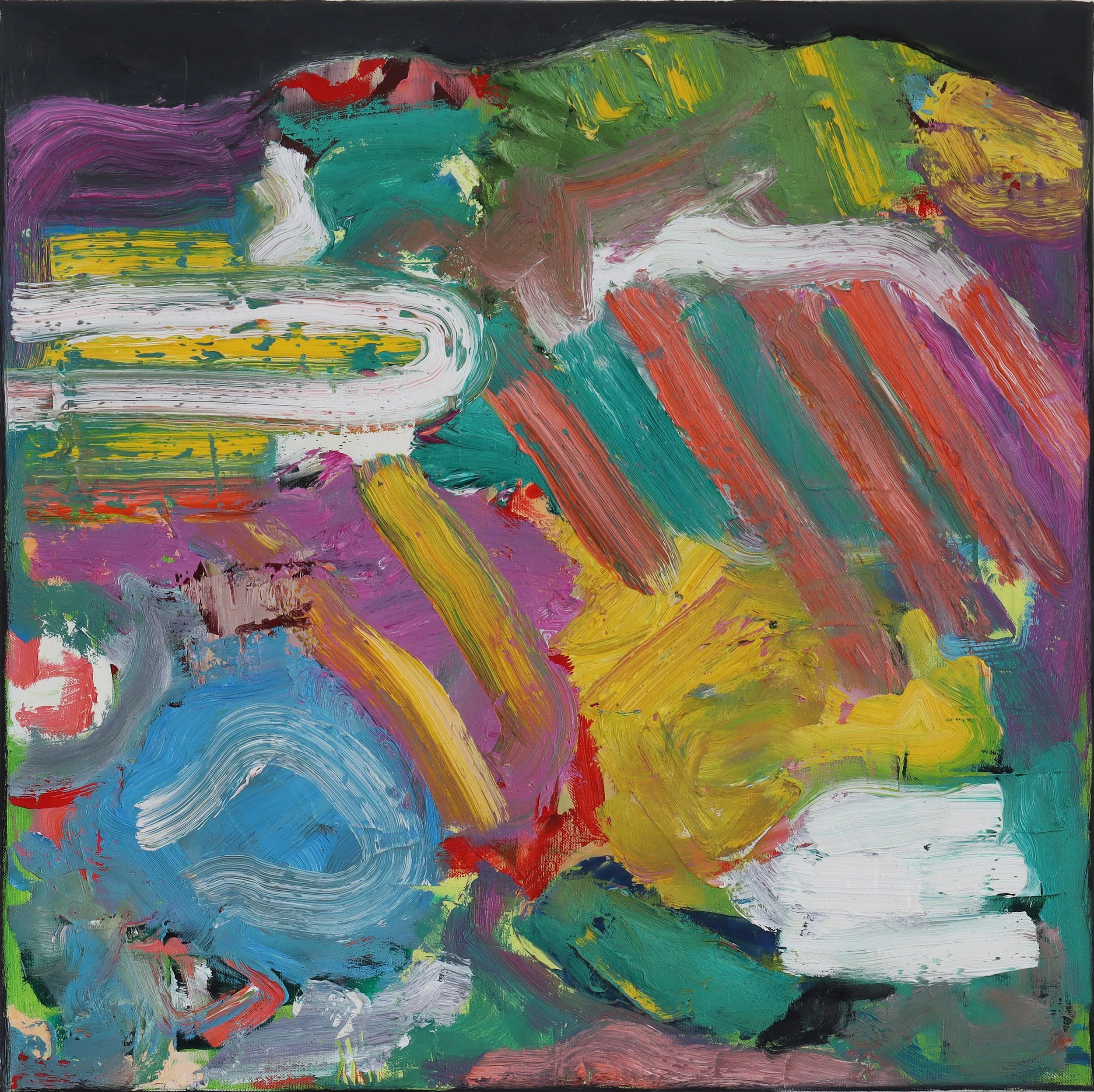
Heap 16 (april26m)
60 x 60 cm; Öl auf Leinwand
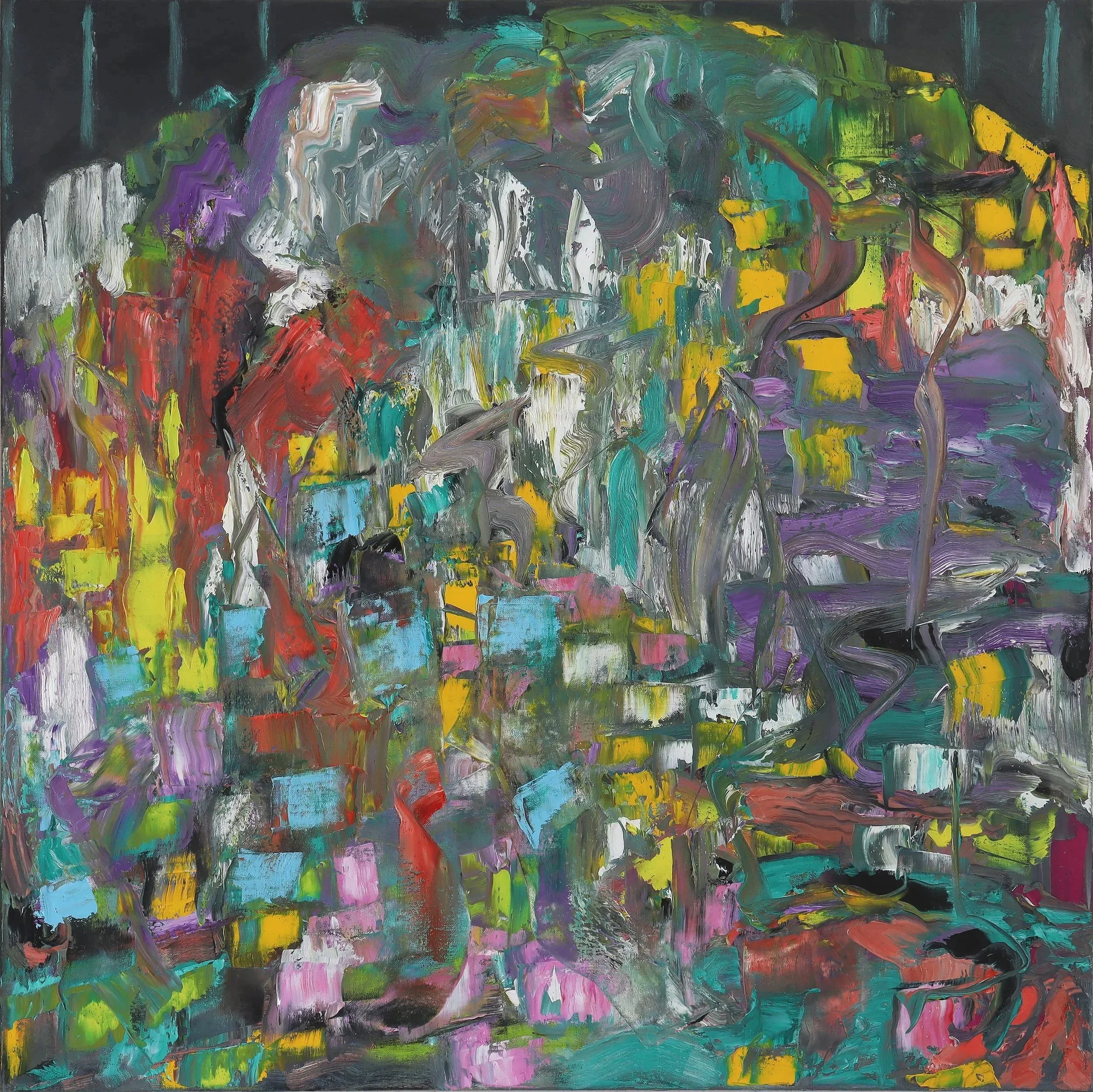
Heap 2 (dezember25f)
100 x 100 cm; Öl auf Leinwand
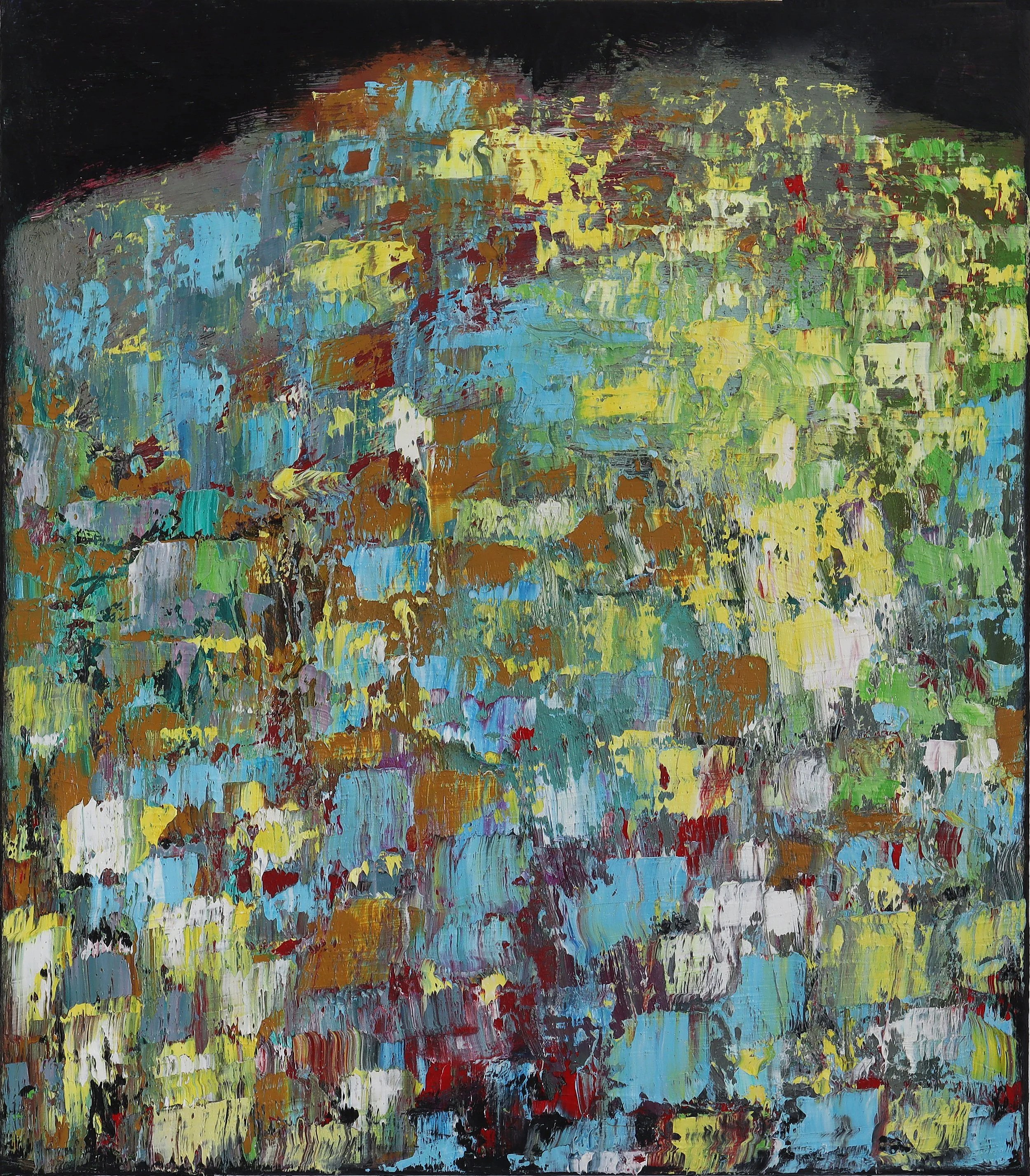
Heap 24 (mai26d)
100 x 80 cm; Öl auf Leinwand
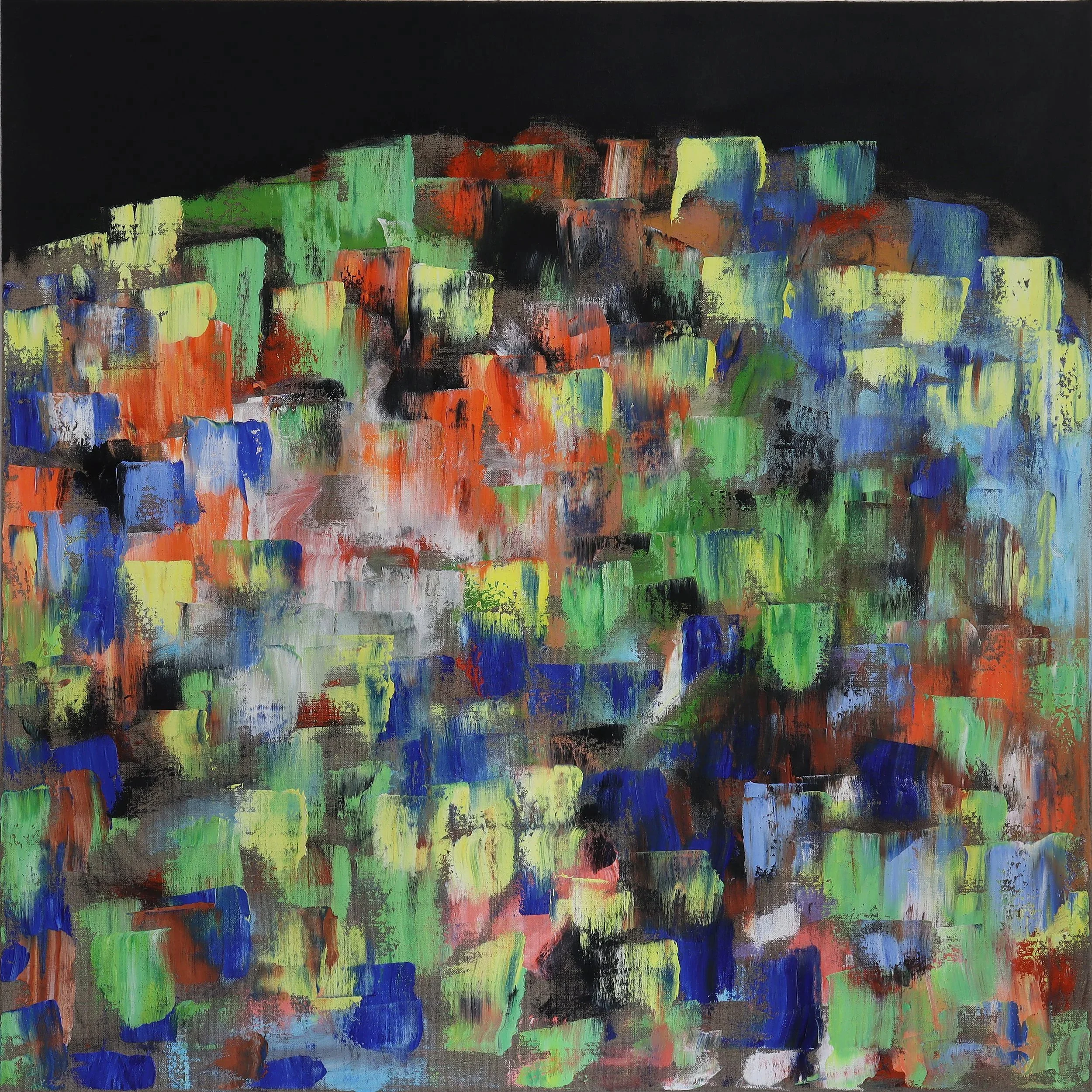
Heap 43 (juni26n)
100 x 100 cm; Öl auf Leinwand
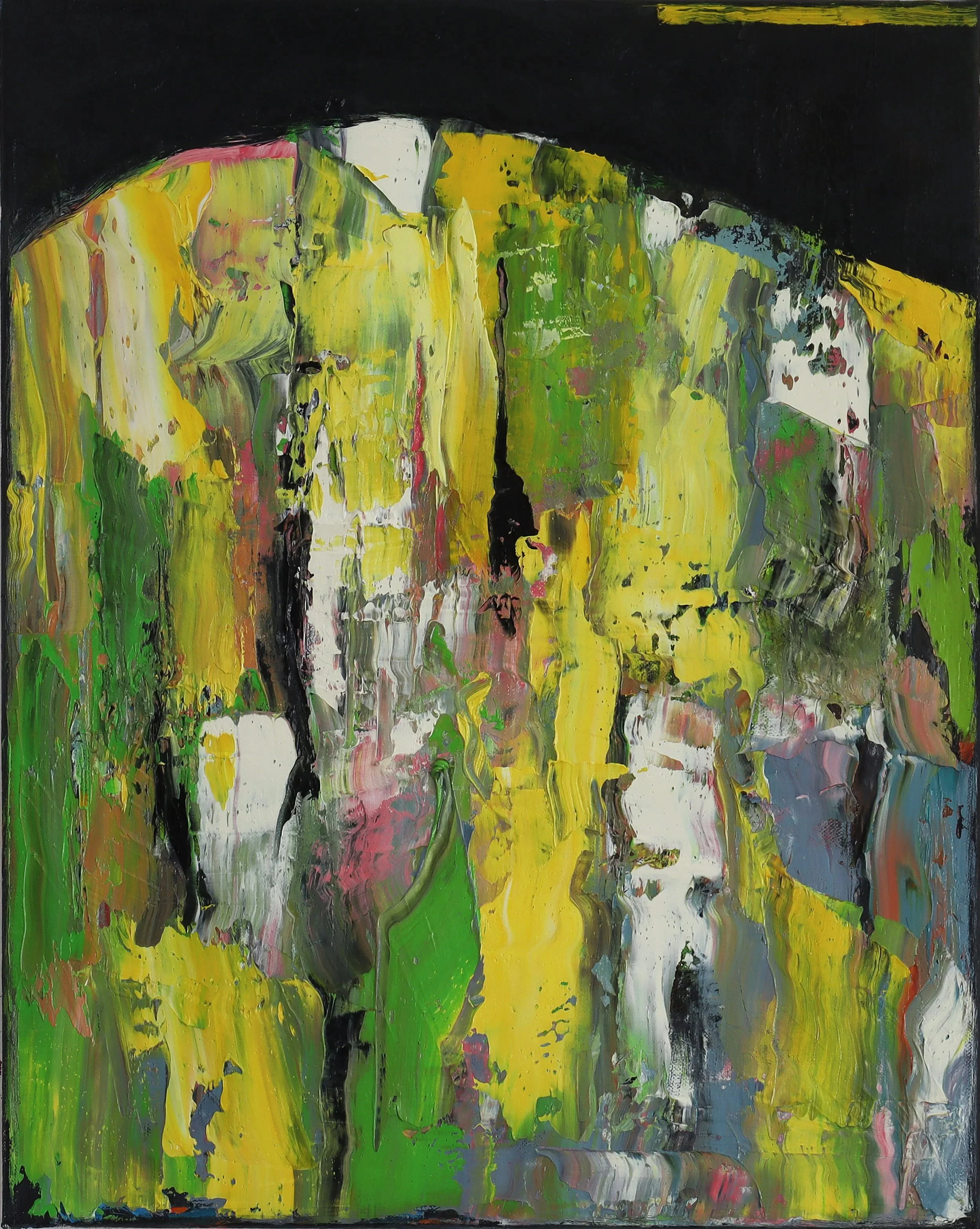
Heap 30 (juni26q)
60 x 50 cm; Öl auf Leinwand


